The ISLANDR project develops sustainable management of contaminated soils. One of its test areas is the historical mining town of Outokumpu, Finland, where three mines operated from 1910 to 1989.
As World Soil Day 2025 highlights the theme “Healthy Soils for Healthy Cities”, Outokumpu illustrates how legacy activities continue to influence the condition of urban soils and the decisions required to manage them. Through its work in Outokumpu and other Test Areas in Europe, ISLANDR supports soil health by identifying technical and regulatory barriers, enabling risk-based planning, and providing tools that help local stakeholders evaluate feasible and resource-efficient solutions for soil reuse and land management.
The Historical Mining Town of Outokumpu
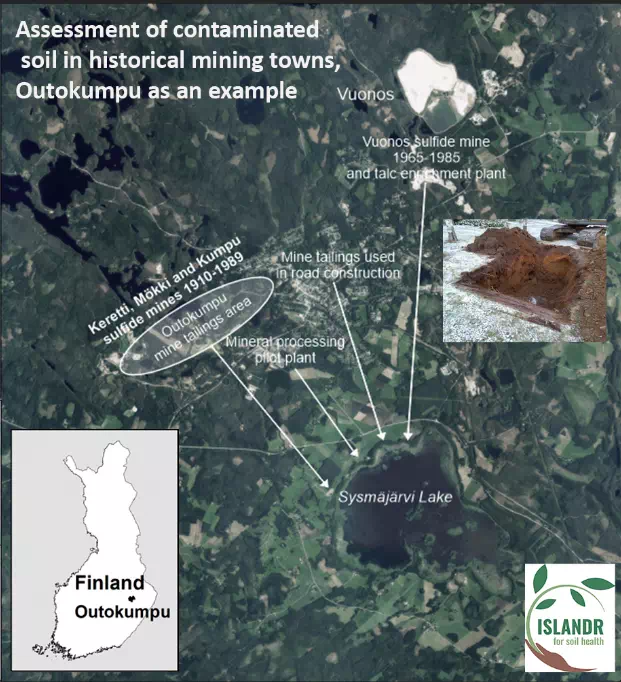
Extractive wastes in Outokumpu, including sulfur-rich tailings, were historically disposed of or reused according to the regulations of the time, inadequate by today’s environmental standards. The tailings area lacks a sufficient bottom structure, allowing acid mine drainage to contaminate ground water and surface waters. Although partial cover solutions were installed in the 1990s, they have not stopped ongoing sulfide oxidation.
Tailings materials were also used in the construction of roads in Outokumpu’s town center. These structures have now reached the end of their lifespan, and the mixture of tailings and soil within their structure is classified as contaminated soil. Current legislation requires their removal and remediation. This would be costly, and funding for such measures has not yet been secured.
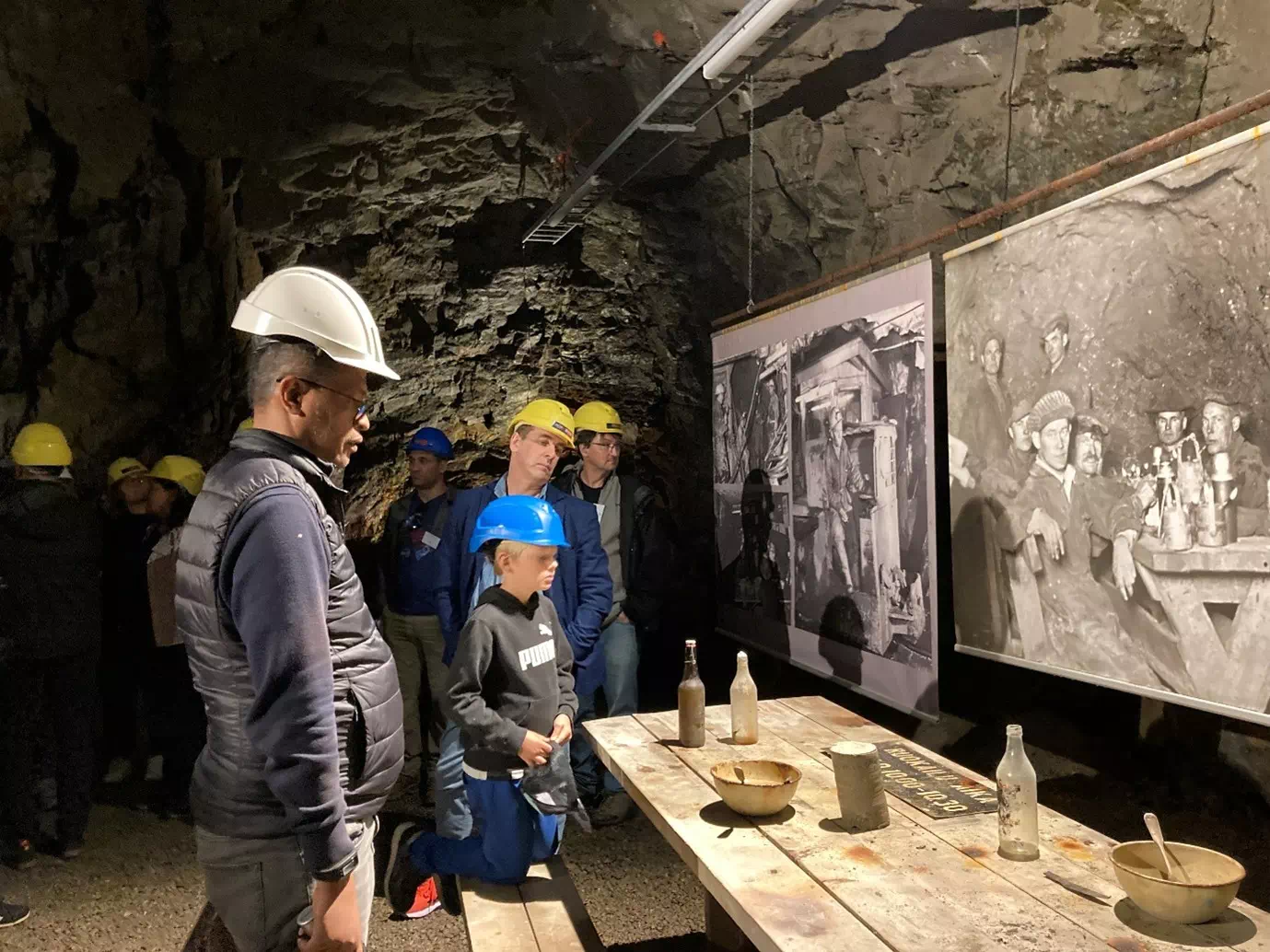
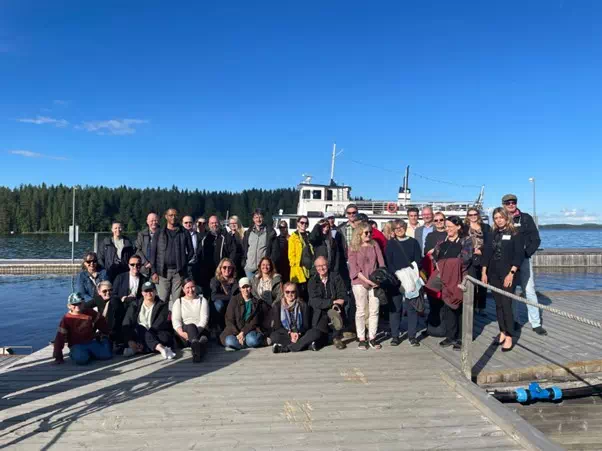
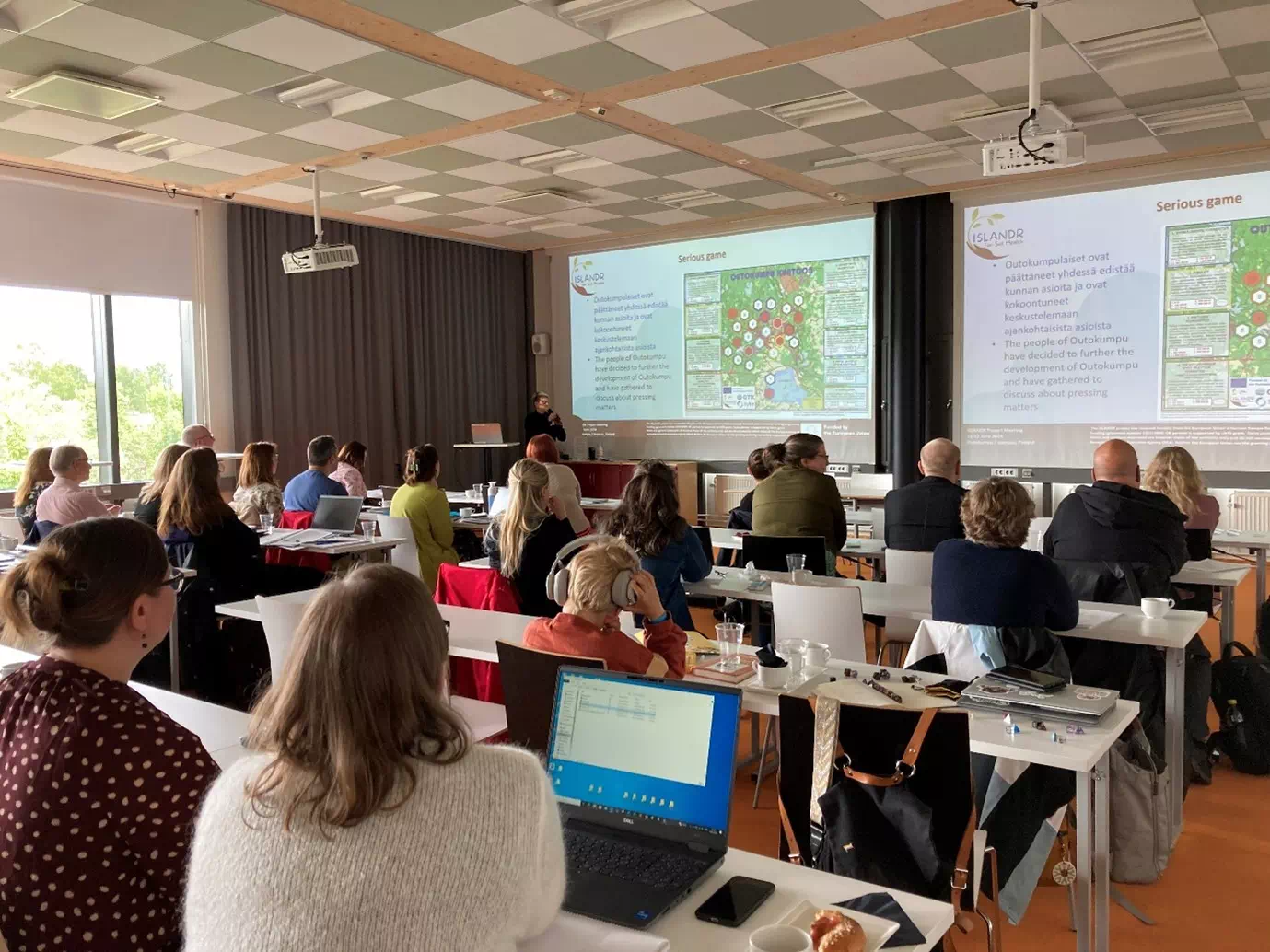
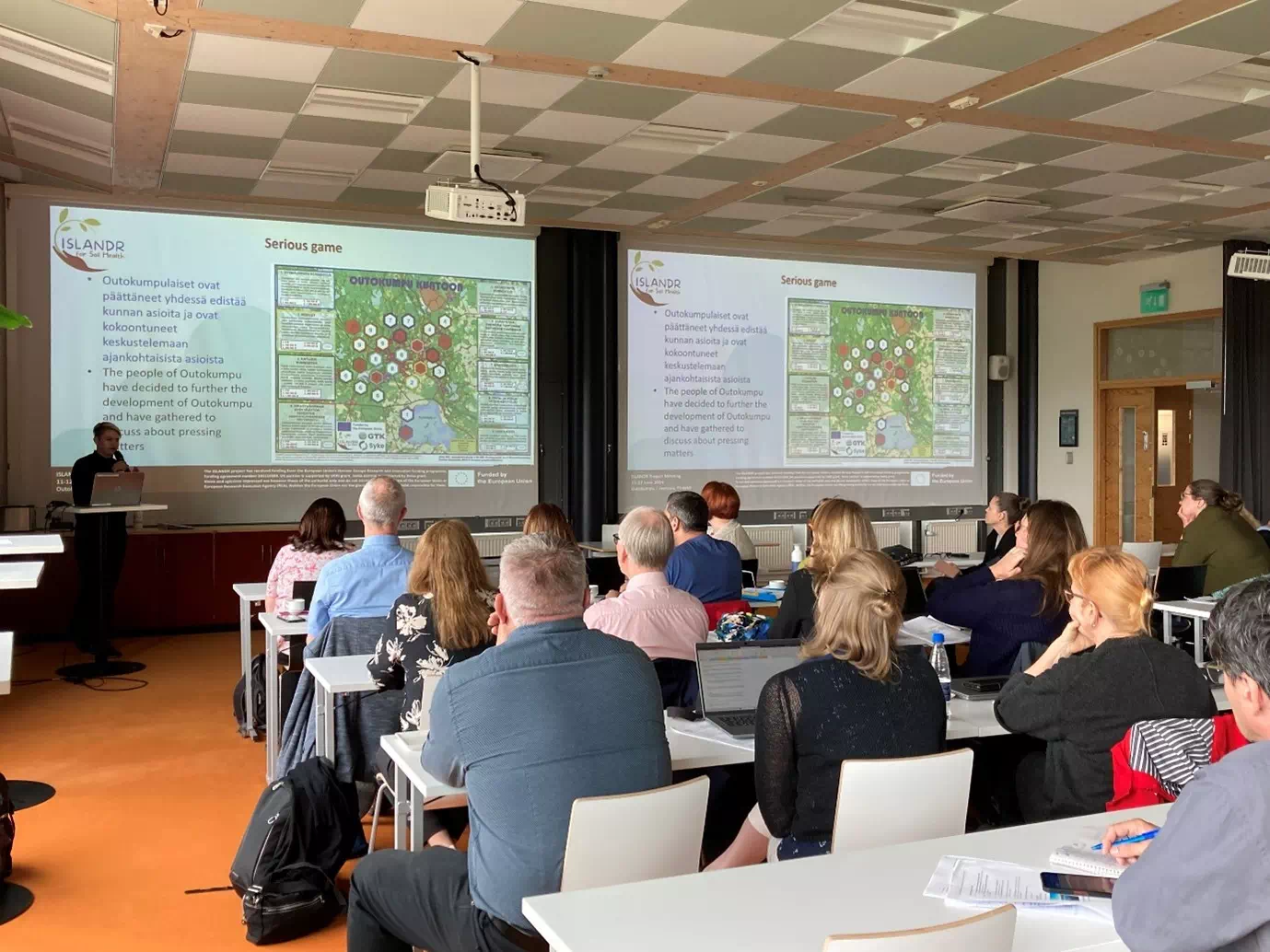
ISLANDR project activities in Outokumpu
To further support the understanding of local challenges, the ISLANDR project has carried out a series of stakeholder activities in 2024–2025.
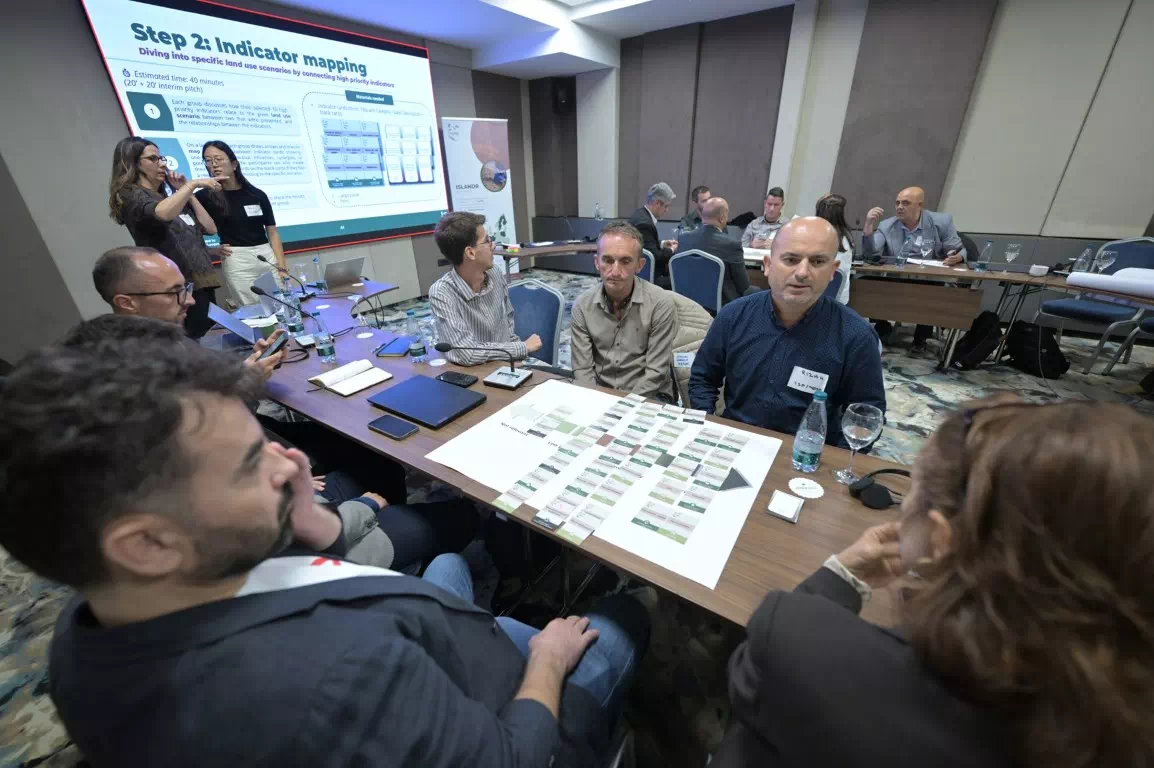
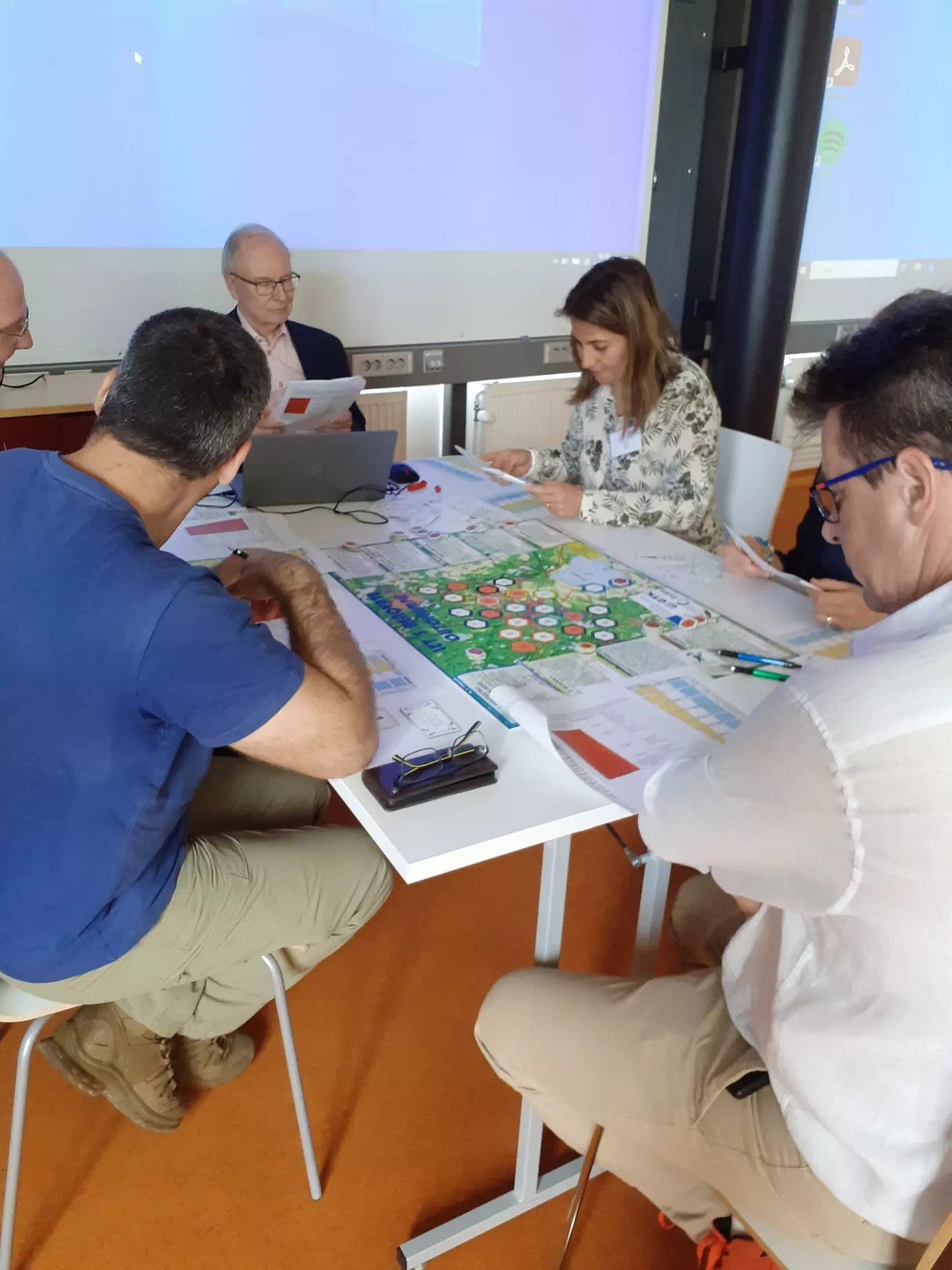
In June 2024, a multi-actor stakeholder meeting, site excursion and a Serious Game session were organised in Outokumpu. The Serious Game exercise focused on decision-making around land remediation. Through the game, participants explored different priorities, values and trade-offs, for example, which areas should be addressed first, and which remediation or reuse options might be most appropriate. The exercise helped open constructive dialogue and highlighted the range of perspectives that influence soil-related decision-making.
In 2025, two additional stakeholder events have been organised. In January, an expert consultation group focused on identifying barriers to soil remediation and reuse, including regulatory, financial and institutional obstacles. In March, a focus group tested the institutional adaptability of the ISLANDR Roadmap in the Finnish context. Participants assessed how well the concept aligns with national regulations, planning practices and local needs.
Stakeholder involvement has therefore ensured that the approaches examined within ISLANDR are grounded in local knowledge, practical constraints and real decision-making needs. Together, these activities illustrate how ISLANDR’s work in Outokumpu supports more informed and sustainable decisions for managing soils in urban and semi-urban built environment.
Future Plans
Recent research (Solismaa et al. 2024) examining historical mining towns, including Outokumpu, highlights several considerations for the long-term management of soils affected by past mining activities. In Outokumpu, for example, one potential solution involves placing contaminated road construction materials within the existing tailings area. However, this would require addressing the ongoing issue of acid mine drainage, potentially through the construction of a modern cover structure for the tailings site. Such measures would be costly, and planned new mining activities in the region might limit the use of the tailings area. On the other hand, renewed mining operations could also provide alternative opportunities for more integrated handling of contaminated soils. The study further introduces the Soil Planning Area approach, already applied in Freiberg, Germany, as a potential reference model for supporting town-scale, risk-based land-use planning in Outokumpu.
Ultimately, finding sustainable long-term solutions is an important step toward ensuring safer and healthier soils in and around the town. Insights from stakeholder activities organised by our Soil Mission project ISLANDR are helping clarify how such options could align with local priorities, regulatory requirements and operational realities in the Outokumpu context.
As towns and cities across Europe and globally face similar challenges, the Outokumpu case underlines the importance of policies that support risk-based soil management, enable safe reuse of materials, and provide long-term funding mechanisms. Such measures are essential for advancing the goals of Healthy Soils for Healthy Cities.
Marianne Valkama & Timo TarvainenKirsti Loukola-Ruskeeniemi, Soili Solismaa, Kristiina Nuottimäki
Read more: Soili Solismaa, Kirsti Loukola-Ruskeeniemi, Kristiina Nuottimäki, Hanna Tolvanen, Kimmo Järvinen, Ingo Müller. 2025. Historical mining towns: The establishment of ‘Soil Planning Areas’ for the risk management of contaminated soil. Journal of Hazardous Materials. Volume 486. Link:https://doi.org/10.1016/j.jhazmat.2024.136962